How to Measure My Door?
SLAB SIZE
How do I measure the interior door slab?
Slab is the actual door without any frame or hardware. If you are planning to only replace the door and keep the frame as is, then you will need this measurement. The size of the new door should be exactly the same as your existing door (height, width, thickness) or if it is slightly larger, you should make sure that the door is trimmable to the size.
Questions to ask from the supplier & contractor:
- How much is allowed to cut this door from height and the width
- Does the warranty voids if we cut the door ?
- Is there any labor charge to trim the door?
NET FRAME SIZE
Net frame size
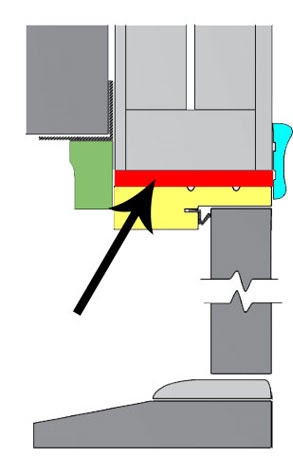
Dimensions taken from outside the frame. This is needed to replace both the door and the frame. Net frame size may vary per manufacturer — most offer trimming within a limit. Net frame (unit) size is smaller than the rough opening to allow for adjustment during installation.
Note:
Net frame size is smaller than the rough opening. This gap allows you to adjust and shim the door unit during installation.
Rough opening
Rough opening
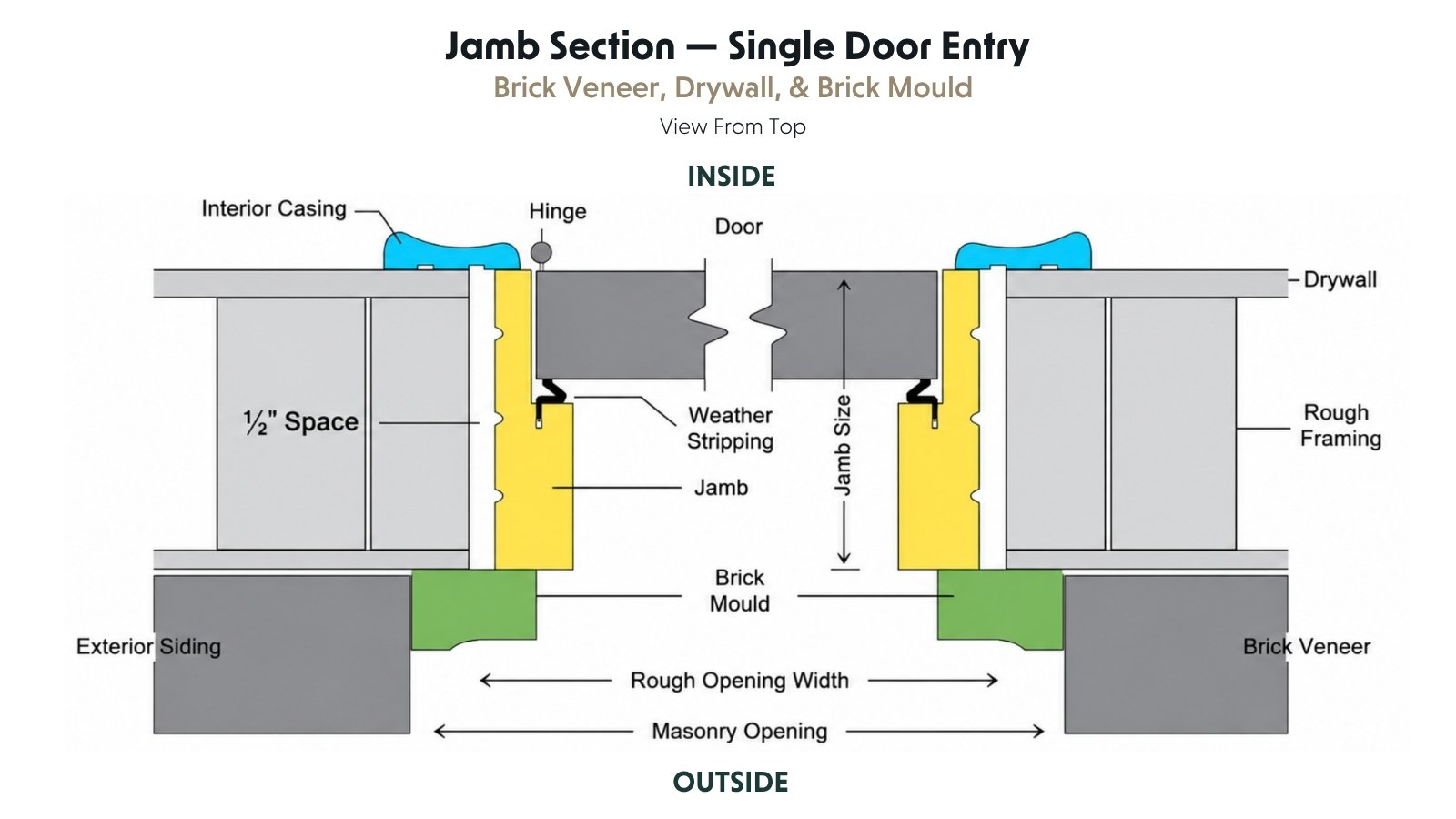
The rough opening is the size of the hole cut in the wall, regardless of construction material (wood, metal, or masonry). You should know this dimension when shopping for the door.
The rough opening is typically about 1½" wider than the unit size and about 1" taller.
This is necessary because:
- Each manufacturer has its own standards — actual doors may vary slightly.
- Frame thickness is added to the door size.
- You need ~1" in total to adjust and shim the door.
- Openings aren't always square — the gap gets covered by brickmould & casing.
Tip: Measure width stud-to-stud in 3 places (top, middle, bottom) and record the smallest. Measure height on both sides and record the shortest.
Removing casing
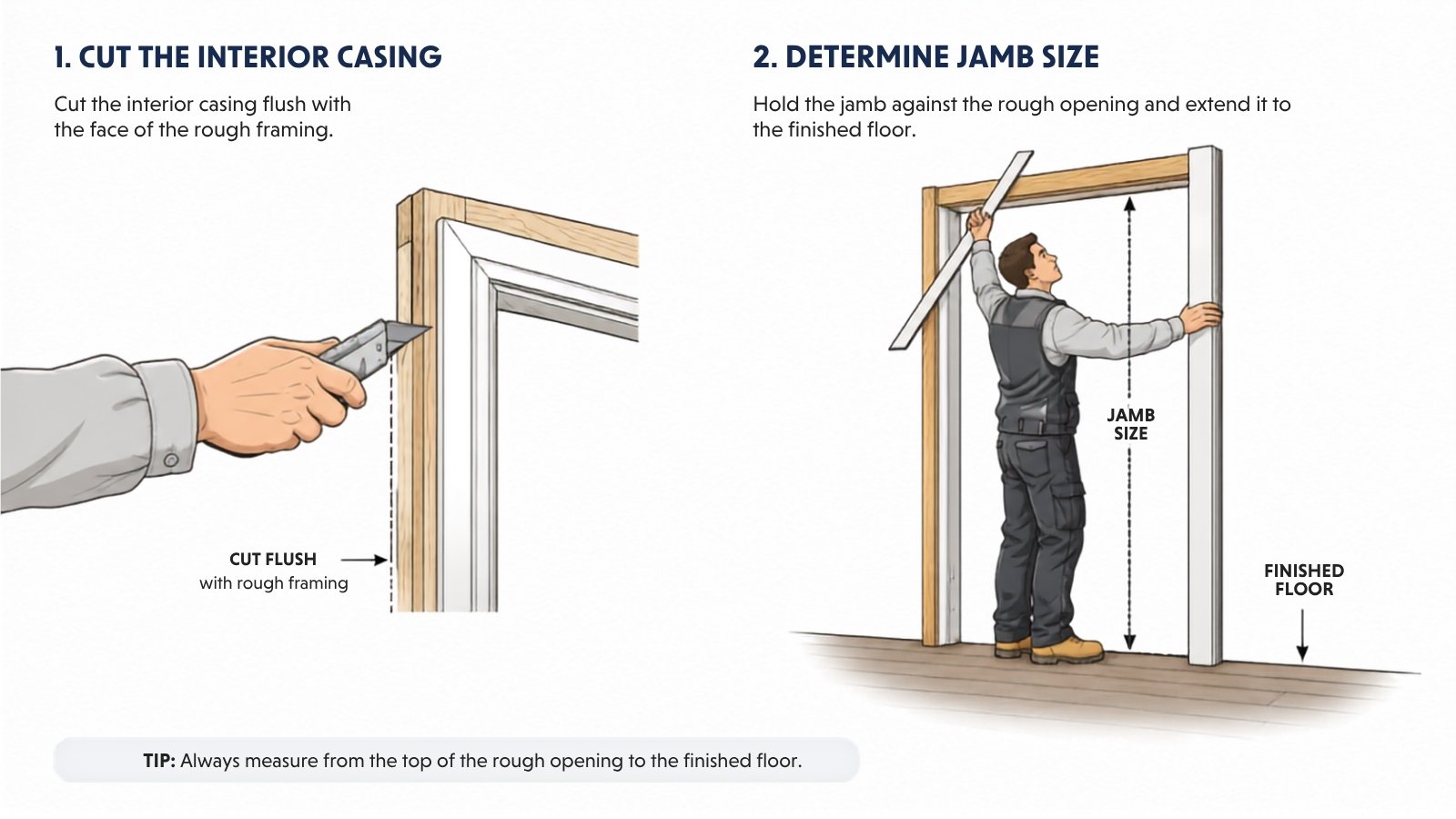
Removing trim/casing to expose the bare studs
Removing interior wood trim — baseboard, chair rail, window and door casing — requires little more than a hammer and pry bar. To avoid ripping out large sections of drywall, use a sharp utility knife to score the seam between the molding and the wall before prying.
Questions to ask your supplier & contractor
- How much is allowed to cut from height and width?
- Does the warranty void if we cut the door?
- Is there any labor charge to trim the door?
- What is the jamb size?
- What type of brickmould do I need?
Without casing removal
What if you can't remove the casing?
No worries — you can calculate the rough opening with a little tolerance. Measure the unit size (jamb hump to hump), then apply the formula below.
Width Calculation
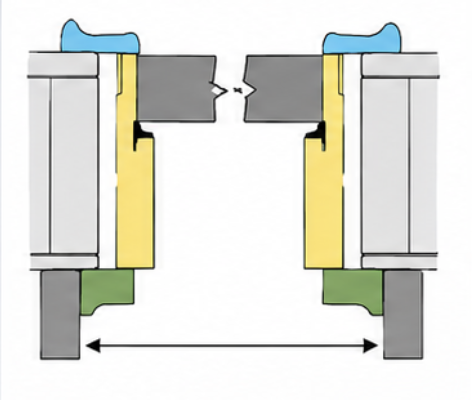
Measure the jamb(hump to hump) (measure the thickness part of the jamb) : 35 1/8"
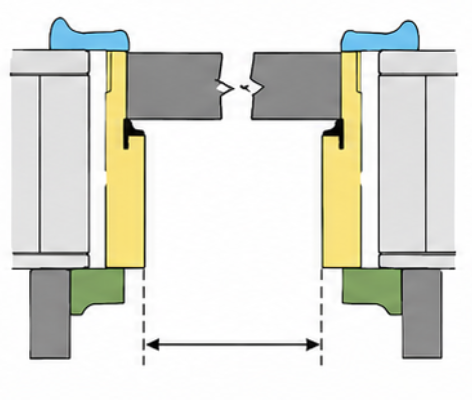
Add 2-1/2" (frames are about 1-1/4" thick on each side, added together): 2-1/2"
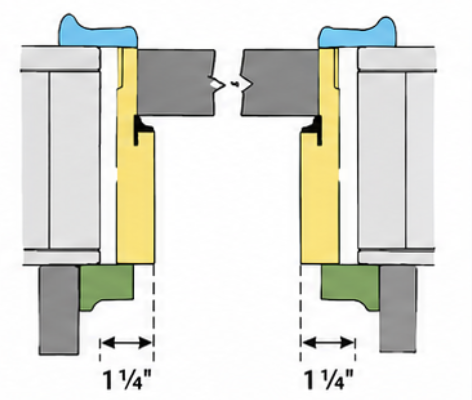
Estimated unit size after adding both frame thickness measurements: 37-5/8"
Add 3/4" to the measured unit width in order to allow rough opening clearance.
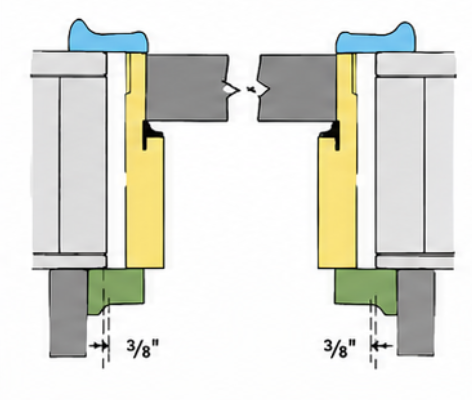
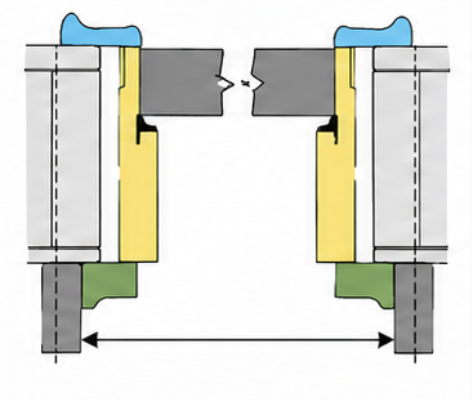
The total unit width plus the required clearance equals the rough opening size.
Height Calculation
Measure from the bottom sill to the top rail (thickest part of the header). This is your unit height.
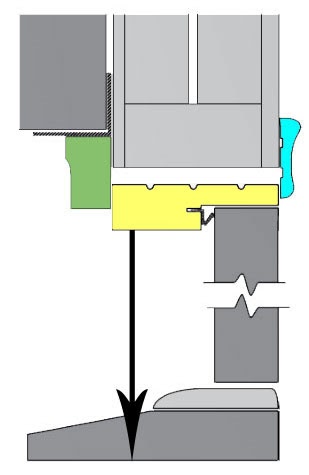
Add 1-1/4" to find the estimated unit size (frame members typically measure 1-1/4").
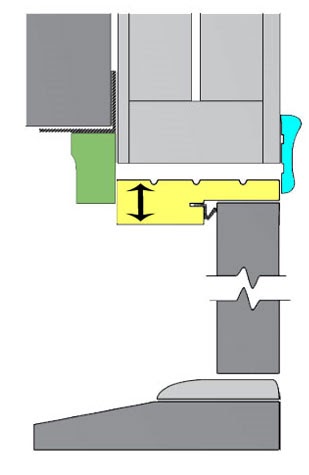
Add 1/2" to unit height for the estimated rough opening height.