
European Interior Doors
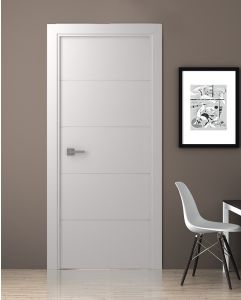
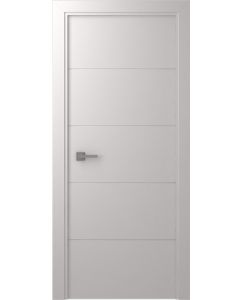
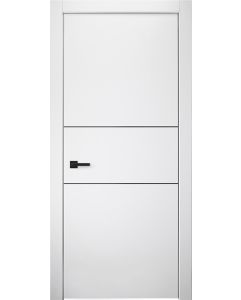
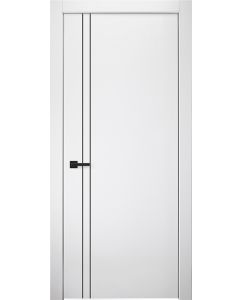
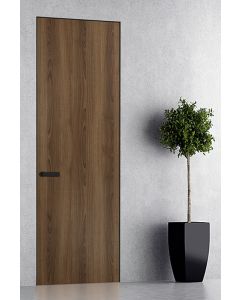
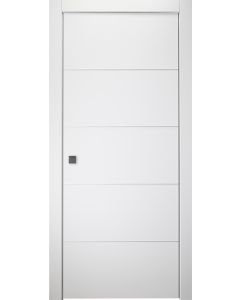
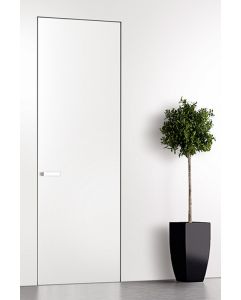
Shop European interior doors for streamlined contemporary style, from restrained faces to crisp linear details and glass accents. Start with how the door opens and whether the room calls for a single, double, solid, or glass-accented design, then compare face details and finishes. Available combinations vary by product. Browse the doors below, then narrow the selection by size, configuration, glass, and style.

Please wait...








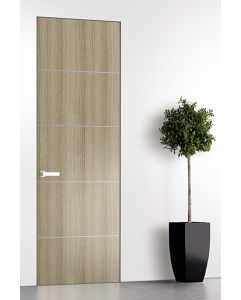
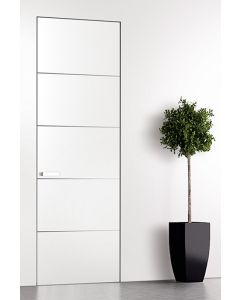
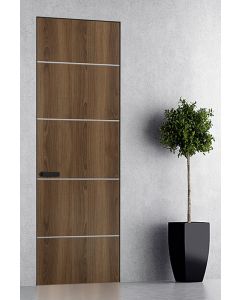


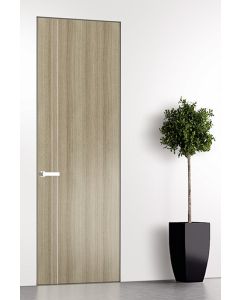




Please wait...
How to Choose European Interior Doors
Start with the way the door will move through the room and the access the opening needs. Then choose the panel arrangement, amount of glass, face design, and finish that suit the space.
Choose an opening system for European interior doors
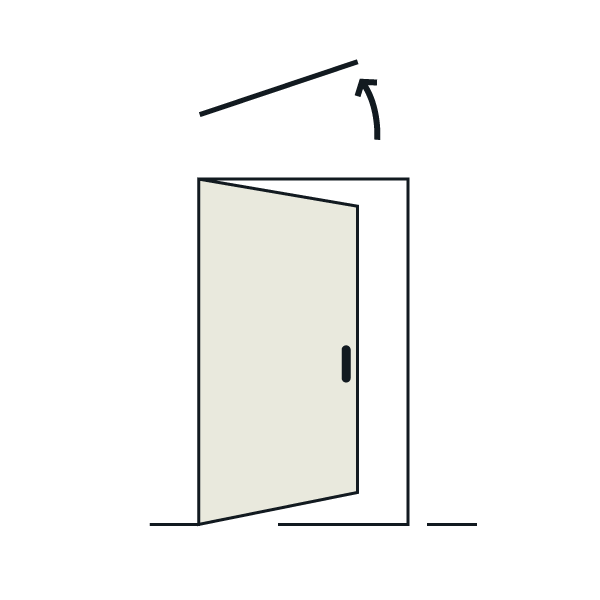
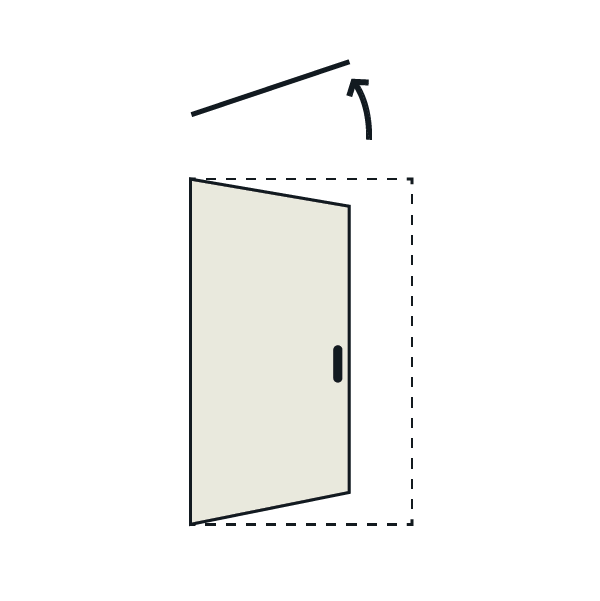
Swinging doors work well when the room has a clear swing arc and the open panel will not conflict with furniture or circulation.
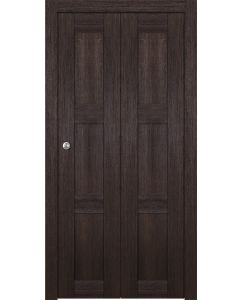
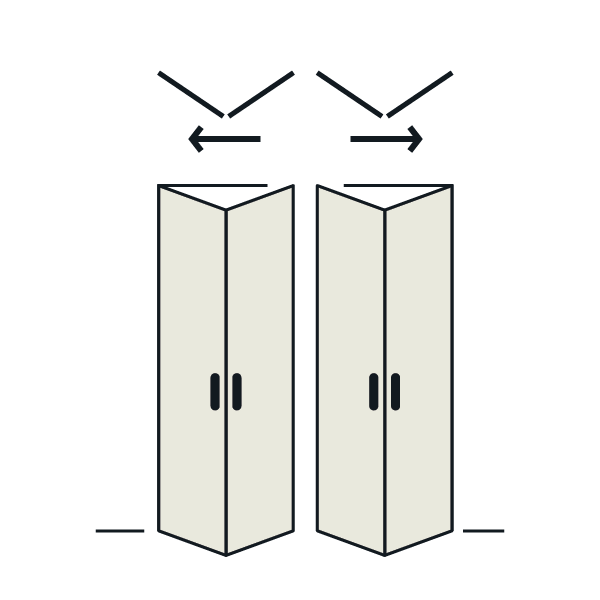
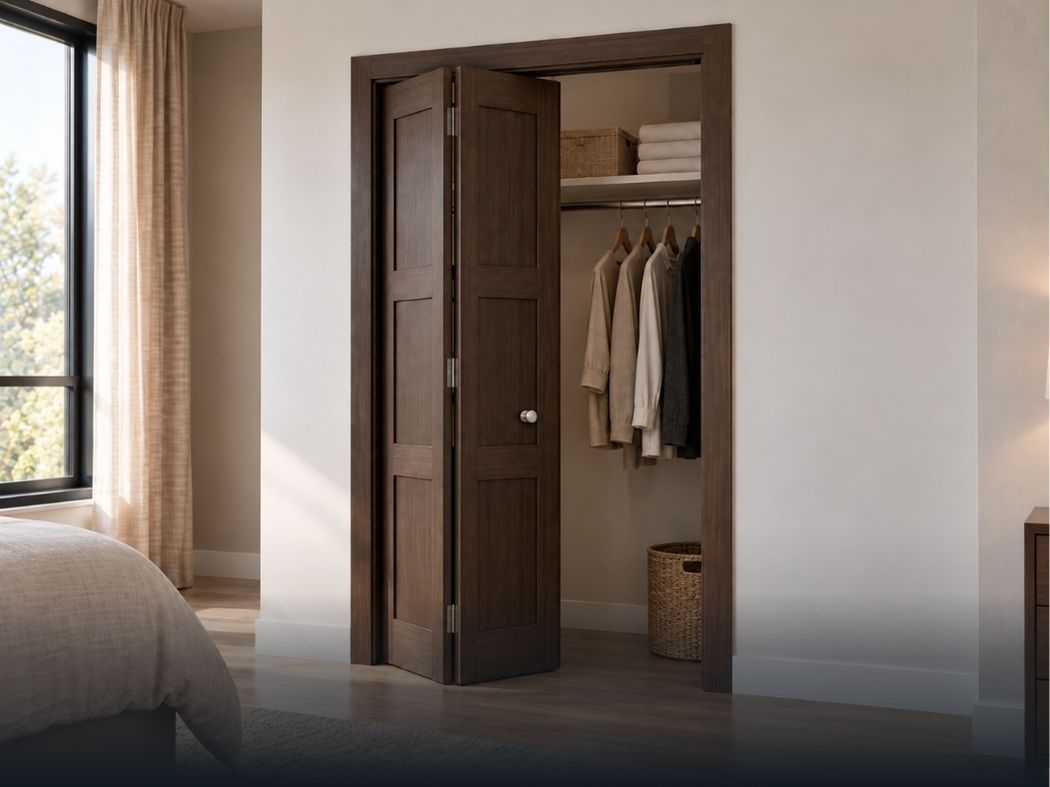
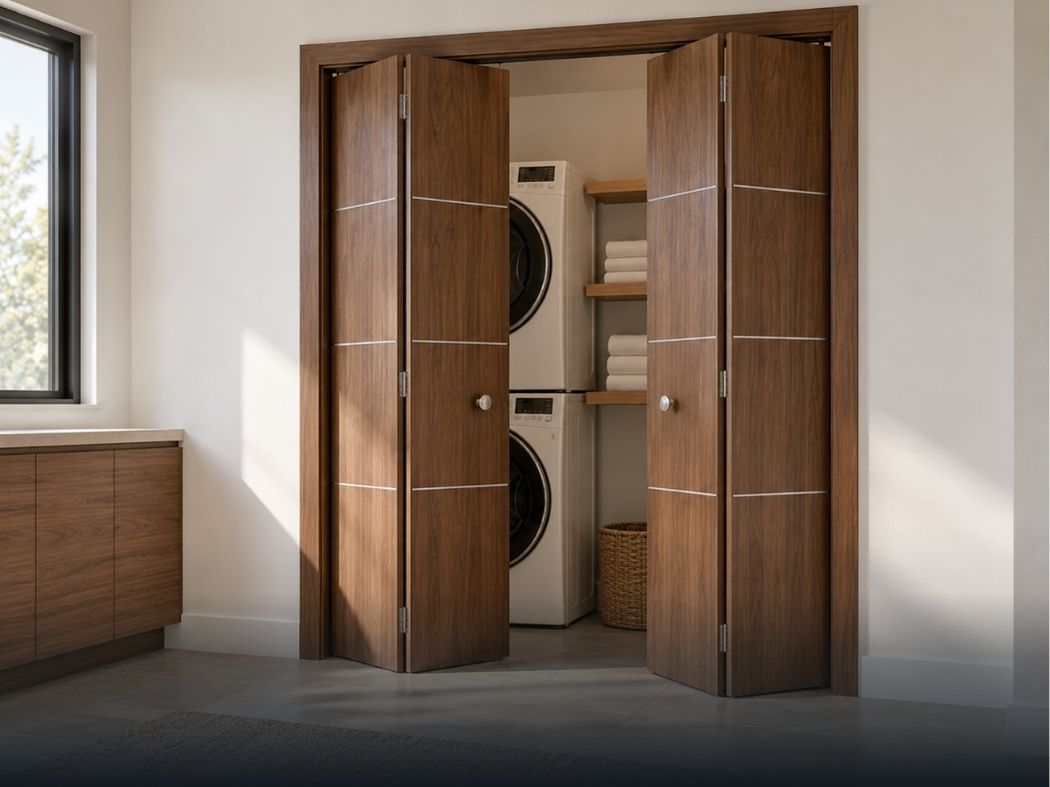
- Bifold systems reduce how far a full door panel extends into the room, although the folded panels collect at the side of the opening.
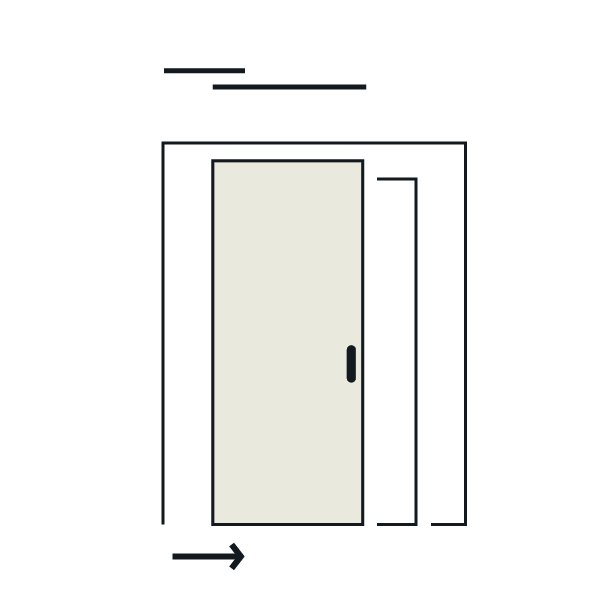
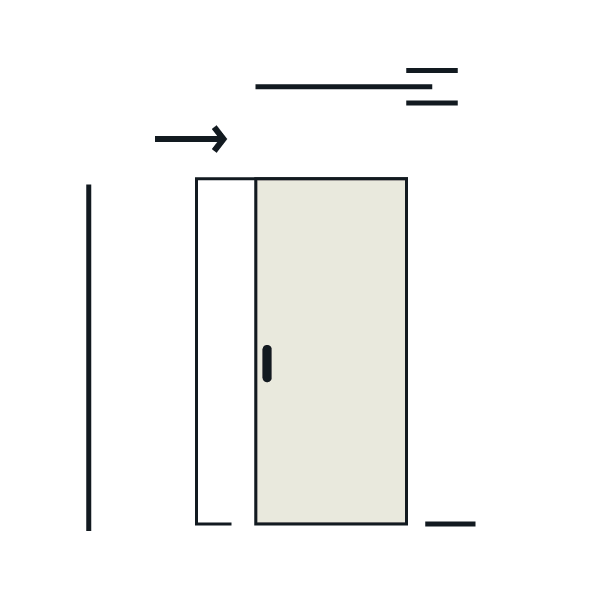
- Wall-mounted sliding doors remove the swing arc but require usable wall area along the full travel path.
- Pocket systems keep the open panel out of the room and off the adjacent wall when a suitable unobstructed wall cavity is available.
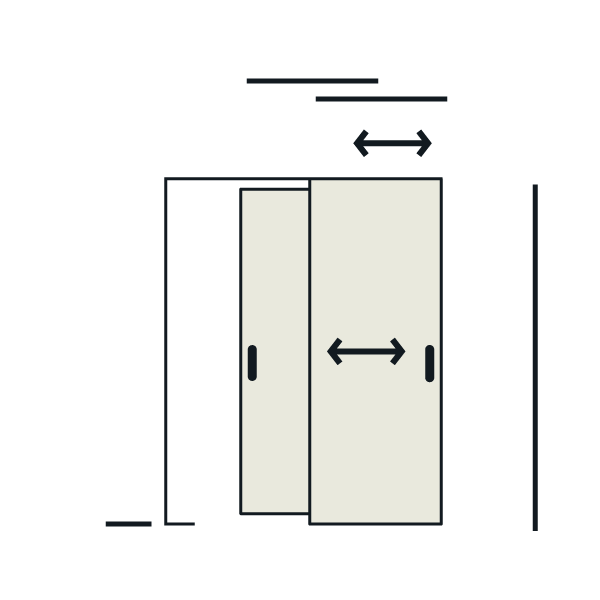
- Bypass panels suit wider spans when overlapping access works for the opening and it is acceptable for part of the opening to remain covered.
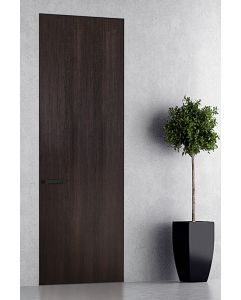
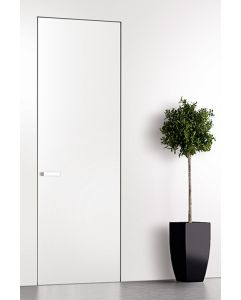
- Concealed-frame or frameless presentations reduce visible casing, but their frame dimensions and prepared opening must match the specific system.
Single, double, or folding configuration
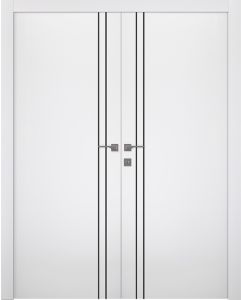
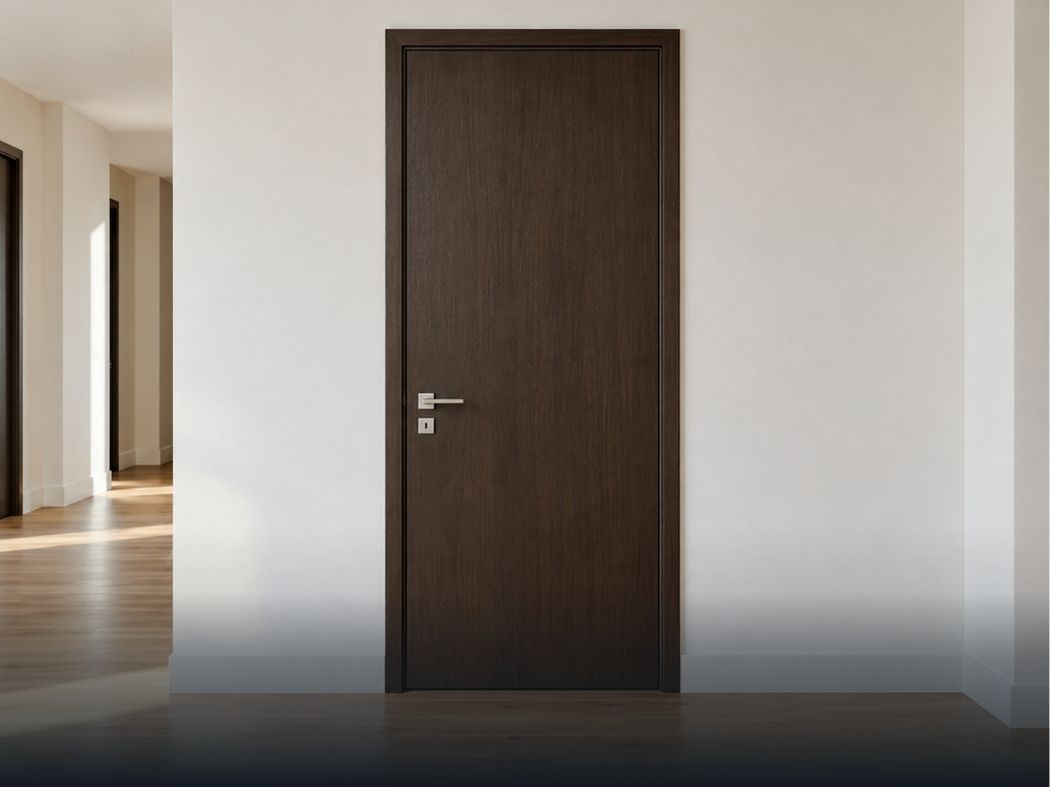
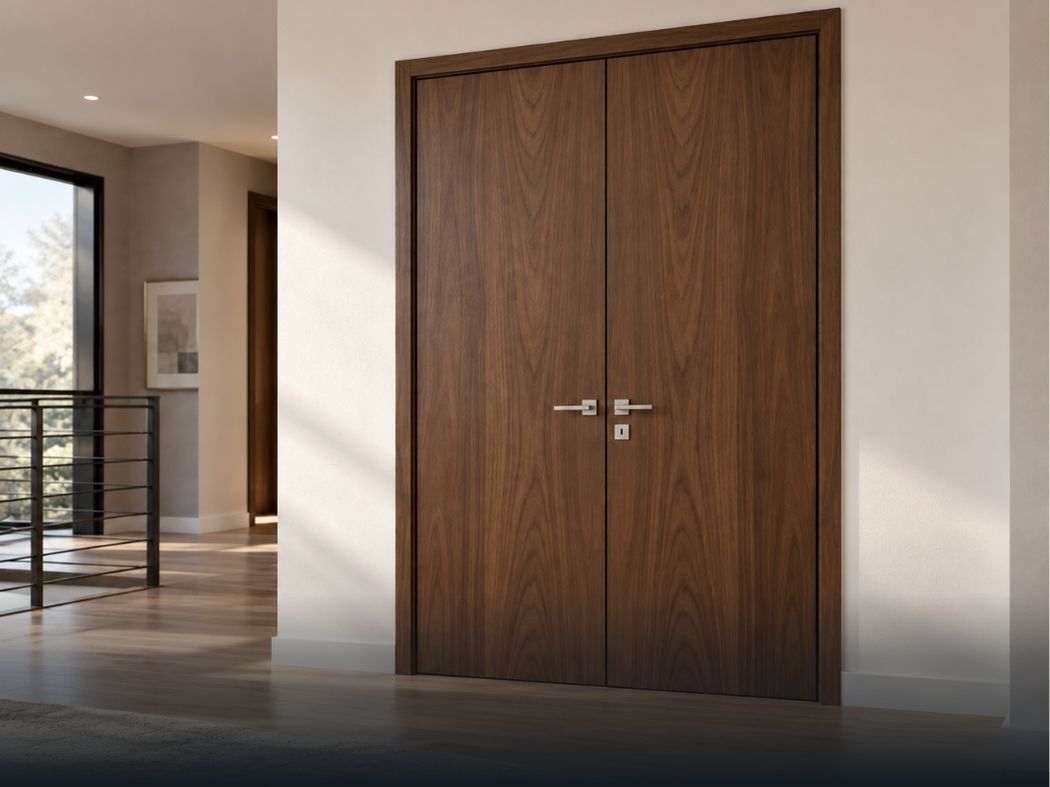
Choose a single configuration when one panel can span the opening and its movement works with the room. Double doors suit a broader opening, create a balanced two-panel look, and can provide a wider passage when both door panels open; the panels meet at the center.
For a folding system, choose a two-panel bifold for a simpler arrangement and smaller panel stack. A four-panel bifold divides a wider span into smaller moving sections, changing the visual rhythm and the amount of folded panel collected at the side. Configuration sizes and availability depend on the design.

Solid or glass European interior doors
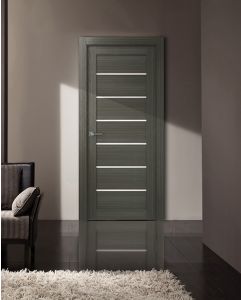
Choose a solid European interior door when blocking direct views matters more than sharing daylight between rooms. Choose a glass-accented door when borrowed light and a stronger visual connection are preferred.
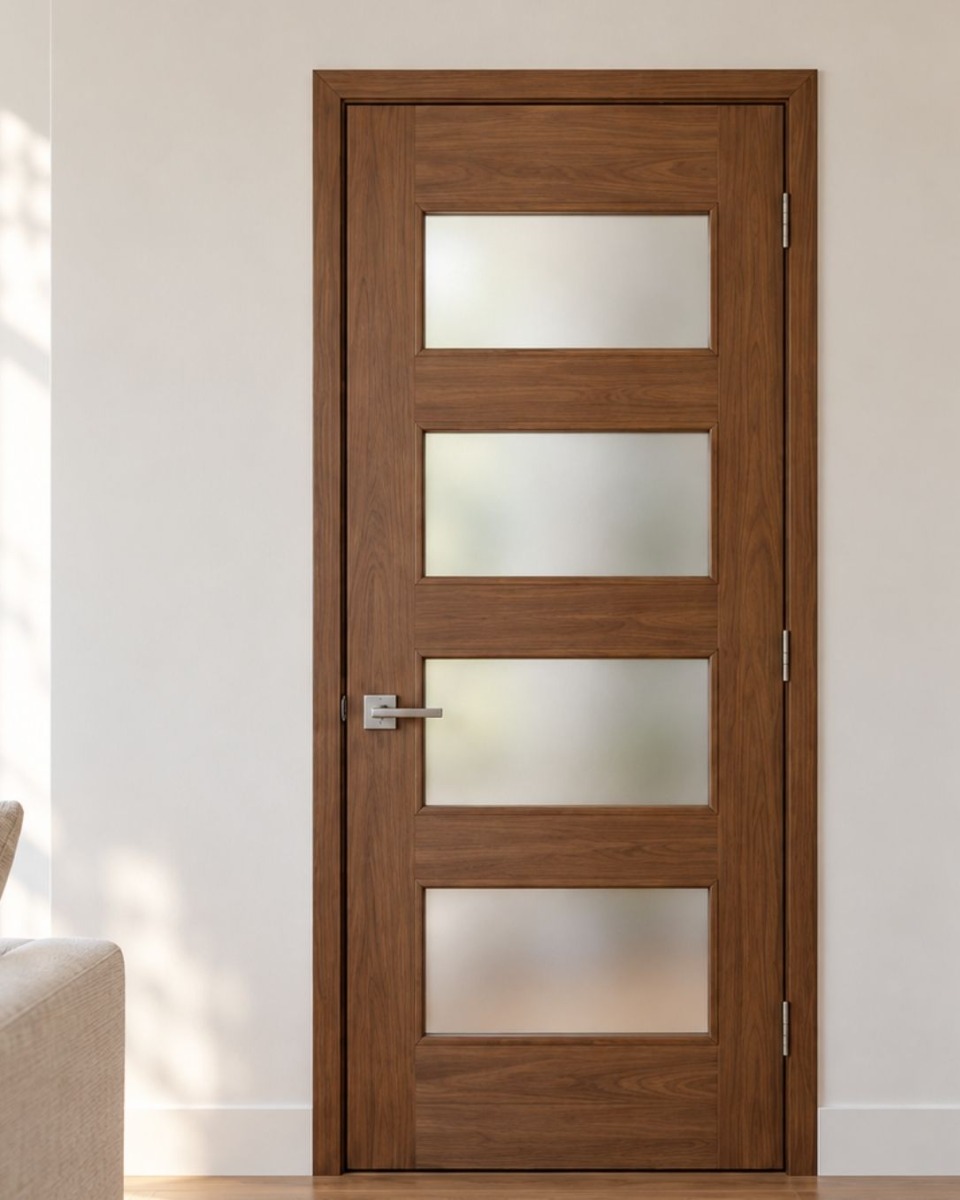
Frosted, etched, or textured translucent glass can diffuse light and reduce image clarity compared with clear glass, but the degree of obscuration varies by pattern and product. Consider both the amount and placement of glass, and explore glass types when comparing the available looks.
Face design and finish
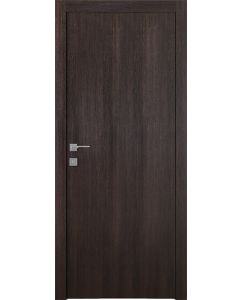
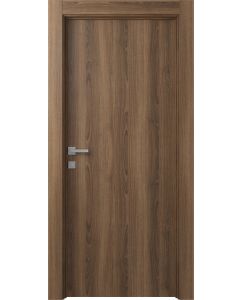
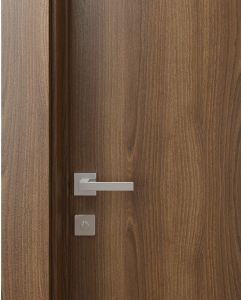
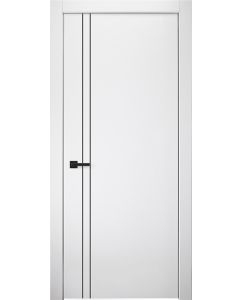
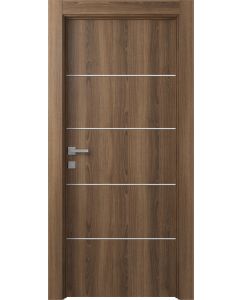
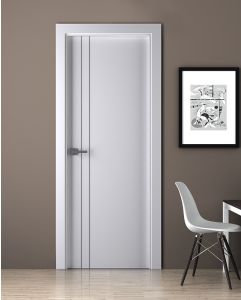
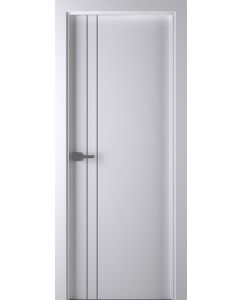
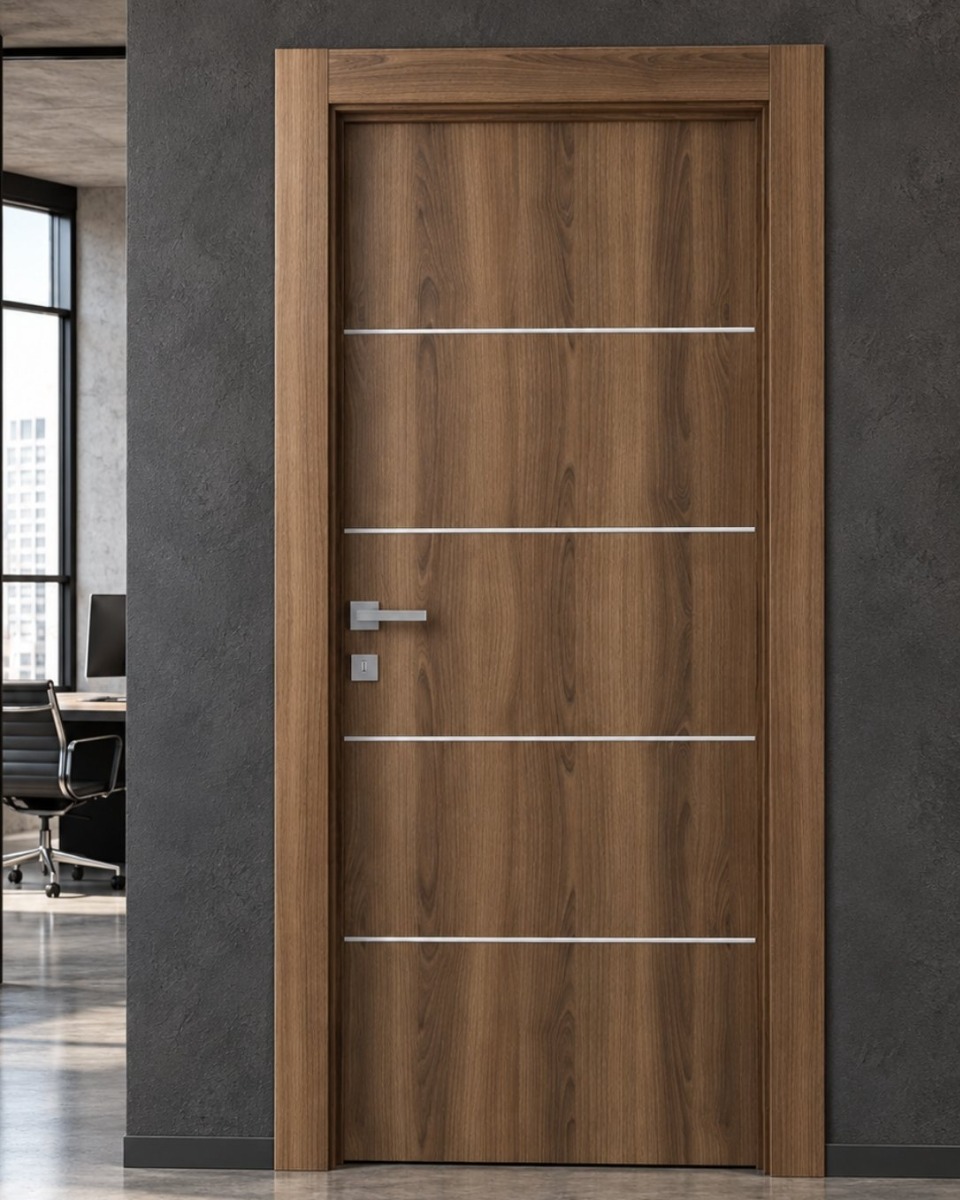
Choose a restrained or flush European interior door when the door should blend with clean surfaces and keep the wall looking calmer and less broken up. Choose linear details when the face should echo nearby vertical or horizontal lines, or a glass-accented face when glazing should be part of the visible design.
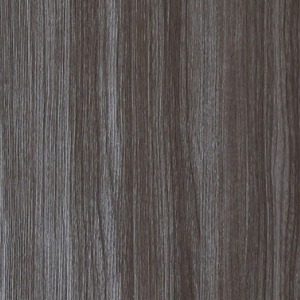
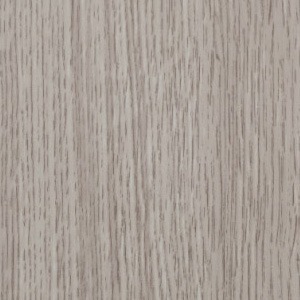
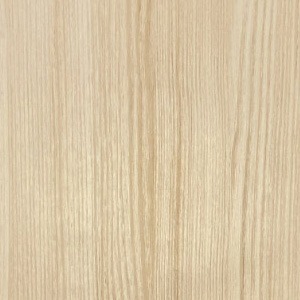
For a quieter transition, choose a light or wall-coordinated finish. Darker, wood-look, or black-accented finishes create stronger contrast. Compare the finish with the flooring, trim, cabinetry, and wall color to decide whether the door should recede or become an intentional feature.



Before You Order
- +The measured opening, slab size, complete-unit size, and applicable rough-opening guidance have been compared.
- +You know whether the project needs a door slab or a complete prehung unit.
- +The chosen system and panel configuration are available in the required design and size.
- +The wall, opening, and surrounding space suit the door's movement path.
- +The frame construction, handing, and preparation match the project and product details.
- +The glass placement, texture, and finish match the chosen product.
- +The listed included hardware and any required components are understood.
- +The product-specific installation requirements are understood before ordering.
FAQ
European interior doors in this category are contemporary interior door slabs with restrained solid faces, flush or linear panel geometry, and optional glass inserts. Use those choices to decide whether you want a quieter solid face, stronger linear rhythm, or glazing as part of the design.
The product page identifies the selected door's system, configuration, dimensions, frame, handing, preparation, glazing, included hardware, and installation requirements. Available combinations vary by product.
Slab size, complete-unit size, measured wall opening, and applicable rough-opening guidance refer to different dimensions. A nominal slab size describes only one part of that fit picture, so it cannot by itself show whether the door will fit.
Compare the finish family with fixed surfaces such as flooring, trim, cabinetry, and wall color, then use a confirmed sample when one is available. Screen images cannot guarantee the exact finish color, and finish availability varies by product, design, size, and system.
Choose this category when restrained solid faces, flush or linear panel geometry, and optional glass inserts suit the room. If you also want to consider the separate traditional category, compare Traditional European interior door styling before narrowing your choice.